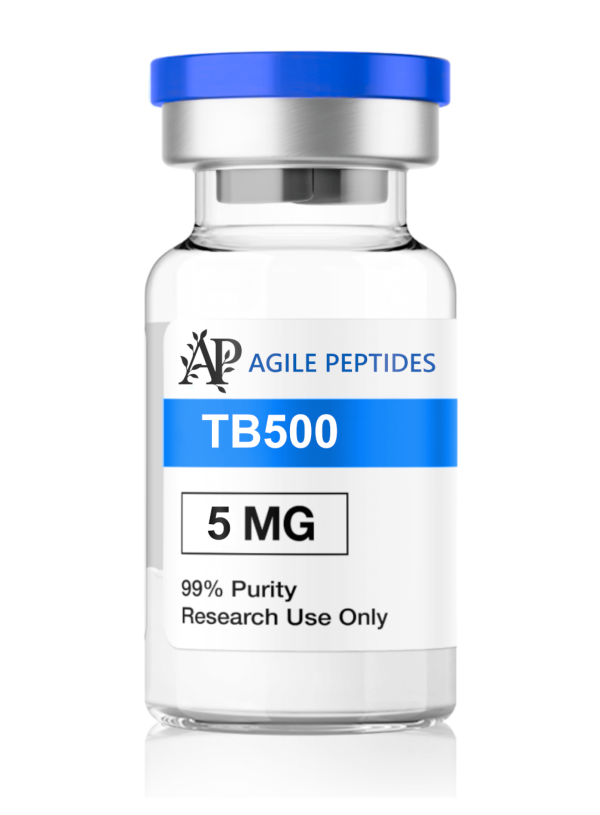
TB500 - 5mg
TB500, a synthetic version of the naturally occurring peptide Thymosin Beta-4 (Tβ4), has gained popularity in the fields of sports medicine and regenerative therapy. This peptide is renowned for its remarkable ability to promote healing, reduce inflammation, and enhance recovery from injuries. Its diverse biological functions make TB500 a compelling option for athletes, fitness enthusiasts, and individuals seeking to accelerate their healing processes.
| PubChem CID | 16132341 |
| Molecular Formula | C212H350N56O78S |
| Molecular Weight | 4963 g/mol |
| CAS No. | 77591-33-4 |
| IUPAC Seq. Cond. | Ac-Ser-Asp-Lys-Pro-Asp-Met-Ala-Glu-Ile-Glu-Lys-Phe-Asp-Lys-Ser-Lys-Leu-Lys-Lys-Thr-Glu-Thr-Gln-Glu-Lys-Asn-Pro-Leu-Pro-Ser-Lys-Glu-Thr-Ile-Glu-Gln-Glu-Lys-Gln-Ala-Gly-Glu-Ser |
| Link | https://pubchem.ncbi.nlm.nih.gov/compound/16132341 |
Mechanism of Action
TB500 exerts its effects primarily through its influence on cell migration and tissue repair. One of the key mechanisms involves the promotion of angiogenesis, the formation of new blood vessels, which is critical for healing damaged tissues. By enhancing blood flow to the injured area, TB500 facilitates the delivery of essential nutrients and oxygen, promoting faster recovery (Kumar et al., 2018).
Furthermore, TB500 plays a significant role in modulating inflammation. It reduces the secretion of pro-inflammatory cytokines while promoting the expression of anti-inflammatory factors, thereby creating an optimal environment for tissue repair (Feng et al., 2019). This dual action of promoting healing while minimizing inflammation makes TB500 an attractive option for treating a variety of injuries, including muscle strains, tendon injuries, and even joint issues.
Therapeutic Applications
The therapeutic applications of TB500 are extensive, particularly in the realm of sports medicine and rehabilitation. Athletes commonly use TB500 to enhance recovery from injuries and to improve overall performance. Clinical studies have demonstrated its effectiveness in accelerating healing times for soft tissue injuries, allowing athletes to return to their training regimens more quickly (Kumar et al., 2018).
Beyond sports therapy, TB500 is being investigated for its potential in treating chronic conditions such as tendonitis and arthritis, where inflammation and impaired healing can significantly affect quality of life. Research suggests that TB500 may promote cartilage repair and reduce pain associated with these conditions (Feng et al., 2019). Additionally, its potential neuroprotective effects have led to explorations of its use in treating conditions like traumatic brain injury and stroke, where enhancing recovery is crucial (Katsimpardi et al., 2020).
Safety and Efficacy
TB500 is generally well-tolerated, with minimal side effects reported in clinical studies. Its favorable safety profile, combined with its potent healing properties, makes it an appealing option for individuals seeking to enhance recovery and improve their overall health. However, as with any therapeutic agent, individuals should consult healthcare professionals before initiating TB500 treatment.
Conclusion
In summary, TB500 is a powerful peptide with significant potential for promoting healing, reducing inflammation, and enhancing recovery from injuries. Its unique mechanism of action, coupled with a favorable safety profile, positions it as a valuable tool in sports medicine and regenerative therapy. As ongoing research continues to explore its full potential, TB500 stands out as an exciting option for individuals seeking to optimize their healing processes and improve their quality of life.
References:
- Kumar, S., et al. (2018). “Thymosin Beta-4: A Review of Its Role in Tissue Repair and Regeneration.” Journal of Cellular Biochemistry, 119(6), 4639-4645.
- Feng, M., et al. (2019). “The Role of Thymosin Beta-4 in Inflammation and Tissue Repair.” Frontiers in Pharmacology, 10, 123.
- Katsimpardi, L., et al. (2020). “Thymosin Beta-4 and Neuroprotection: A Potential New Therapeutic Strategy.” Neurobiology of Disease, 134, 104635.