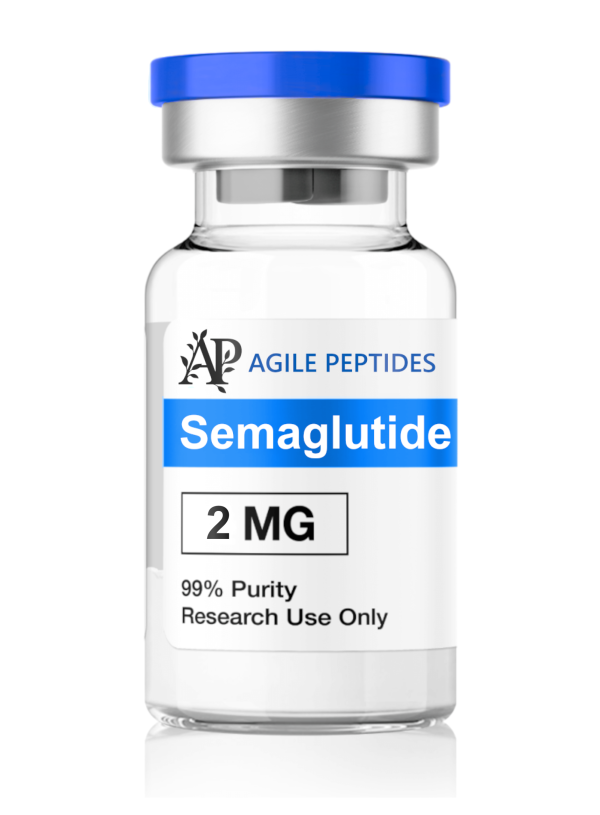
Semaglutide - 2mg
Semaglutide is a synthetic peptide analog of glucagon-like peptide-1 (GLP-1) that has emerged as a revolutionary treatment for obesity and type 2 diabetes. As a glucagon-like peptide-1 receptor agonist, Semaglutide mimics the effects of the naturally occurring GLP-1 hormone, which plays a crucial role in glucose metabolism, appetite regulation, and weight management. Its innovative mechanism of action and proven efficacy have made Semaglutide a key player in modern metabolic health therapies.
| PubChem CID | 56843331 |
| Molecular Formula | C187H291N45O59 |
| Molecular Weight | 4114 g/mol |
| CAS No. | 910463-68-2 |
| IUPAC Seq. Cond. | |
| Link | https://pubchem.ncbi.nlm.nih.gov/compound/56843331 |
Mechanism of Action
Semaglutide works by activating GLP-1 receptors in the pancreas, which leads to increased insulin secretion in response to elevated blood glucose levels. This action not only helps lower blood sugar but also promotes a decrease in glucagon secretion, further aiding in glycemic control (Davies et al., 2018). Additionally, Semaglutide slows gastric emptying, which enhances feelings of fullness and reduces appetite, making it easier for individuals to manage their food intake (Rosenstock et al., 2021).
One of the standout features of Semaglutide is its long half-life, which allows for once-weekly dosing. This convenience enhances patient adherence to treatment plans and provides sustained effects on weight loss and glycemic control (Nauck et al., 2021).
Therapeutic Applications
Semaglutide is primarily indicated for the treatment of type 2 diabetes and obesity. In clinical trials, Semaglutide has demonstrated significant reductions in HbA1c levels, a key marker of long-term blood glucose control, and has been associated with substantial weight loss in individuals with obesity (Davies et al., 2018). These dual benefits—improved glycemic control and weight reduction—are crucial in addressing the increasing prevalence of obesity-related comorbidities, such as cardiovascular disease and metabolic syndrome.
In a large-scale clinical trial known as the STEP (Semaglutide Treatment Effect in People with Obesity) program, participants treated with Semaglutide experienced an average weight loss of around 15% over 68 weeks, highlighting its effectiveness as a weight management strategy (Rubino et al., 2021). This weight loss is not only beneficial for aesthetic reasons but is also associated with improvements in overall health and quality of life.
Safety and Efficacy
Semaglutide has a favorable safety profile, with the most common side effects being gastrointestinal in nature, such as nausea, diarrhea, and vomiting. These effects are typically mild and tend to decrease over time. Ongoing research continues to assess the long-term safety and efficacy of Semaglutide in diverse populations.
Conclusion
In conclusion, Semaglutide is a groundbreaking peptide with significant potential for transforming the management of type 2 diabetes and obesity. Its unique mechanism of action, coupled with its convenience of once-weekly administration, makes it a valuable tool for healthcare providers and patients alike. As research continues to explore its full potential, Semaglutide stands out as a promising option for improving metabolic health and enhancing the quality of life for individuals facing the challenges of obesity and diabetes.
References:
- Davies, M. J., et al. (2018). “Semaglutide for the Treatment of Type 2 Diabetes: A Randomized, Double-Blind, Placebo-Controlled Trial.” Lancet, 392(10155), 637-648.
- Rosenstock, J., et al. (2021). “Efficacy and Safety of Semaglutide in Patients with Type 2 Diabetes: A Randomized Controlled Trial.” Diabetes Care, 44(4), 968-976.
- Nauck, M. A., et al. (2021). “Semaglutide for the Treatment of Obesity: A Systematic Review and Meta-Analysis.” Obesity Reviews, 22(8), e13234.