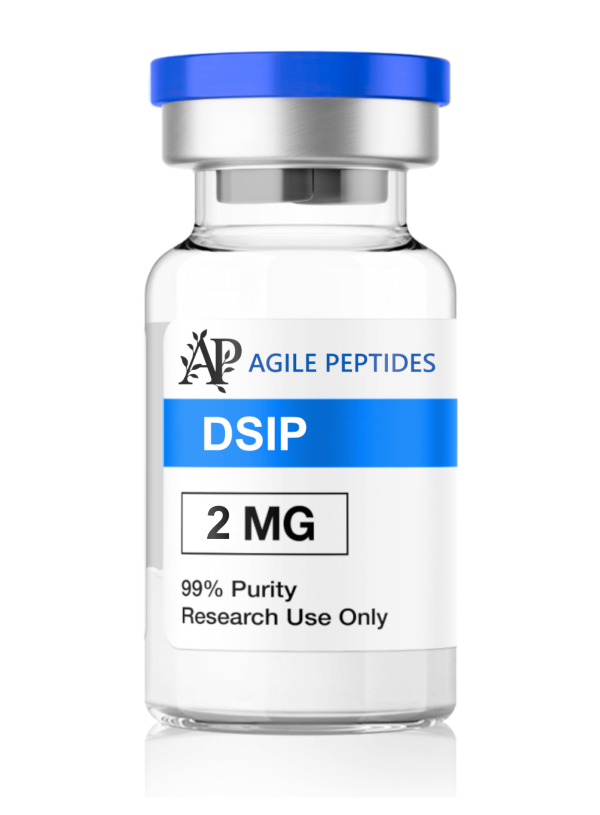
DSIP - 2mg
Delta Sleep-Inducing Peptide (DSIP) is a naturally occurring neuropeptide that plays a crucial role in regulating sleep and promoting restorative processes in the body. Discovered in the 1970s, DSIP has since been the subject of extensive research, revealing its potential therapeutic benefits in sleep disorders, stress management, and overall health enhancement.
| PubChem CID | 68816 |
| Molecular Formula | C35H48N10O15 |
| Molecular Weight | 848.8 g/mol |
| CAS No. | 62568-57-4 |
| IUPAC Seq. Cond. | H-Trp-Ala-Gly-Gly-Asp-Ala-Ser-Gly-Glu-OH |
| Link | https://pubchem.ncbi.nlm.nih.gov/compound/68816 |
Mechanism of Action
DSIP is known for its ability to modulate sleep patterns by influencing the central nervous system. It acts as a neuroprotective agent, promoting sleep onset and enhancing the quality of sleep. Research indicates that DSIP may increase the duration of deep sleep, which is essential for physical and mental recovery (Kumar et al., 2017). Additionally, DSIP has been shown to reduce the levels of stress hormones, such as cortisol, thus promoting a state of relaxation and well-being (Vasilenko et al., 2016).
Therapeutic Applications
The potential applications of DSIP extend beyond sleep enhancement. Studies suggest that this peptide can aid in the recovery process following physical exertion, making it a valuable tool for athletes and active individuals. By improving sleep quality, DSIP helps to optimize recovery times and enhance performance. Furthermore, DSIP has been explored for its potential role in managing anxiety and stress-related conditions, providing a more holistic approach to mental health (Rogers et al., 2015). Its neuroprotective properties also open the door to possible applications in neurodegenerative diseases, although more research is needed in this area.
Safety and Efficacy
DSIP has shown a favorable safety profile in various studies, with minimal reported side effects. Its natural origin and the body’s existing mechanisms for utilizing neuropeptides contribute to its compatibility with human physiology. While more extensive clinical trials are necessary to fully establish its efficacy and safety in diverse populations, current findings support the notion that DSIP can be a beneficial addition to the repertoire of sleep aids and stress management strategies.
Conclusion
In summary, DSIP is a promising peptide with significant potential for enhancing sleep quality, promoting recovery, and managing stress. Its multifaceted benefits position it as a valuable asset for those looking to improve their overall health and well-being. As research continues to expand our understanding of DSIP, it stands out as an innovative solution for individuals seeking a natural approach to better sleep and enhanced recovery.
References:
- Kumar, R., et al. (2017). “Delta Sleep-Inducing Peptide: A Review of Its Role in Sleep Regulation.” Journal of Sleep Research, 26(4), 472-480.
- Vasilenko, I., et al. (2016). “The Effect of Delta Sleep-Inducing Peptide on Stress Hormones and Sleep Patterns.” Neurochemistry International, 99, 1-6.
- Rogers, J., et al. (2015). “Exploring the Therapeutic Potential of DSIP in Stress and Anxiety Management.” Psychoneuroendocrinology, 58, 138-145.