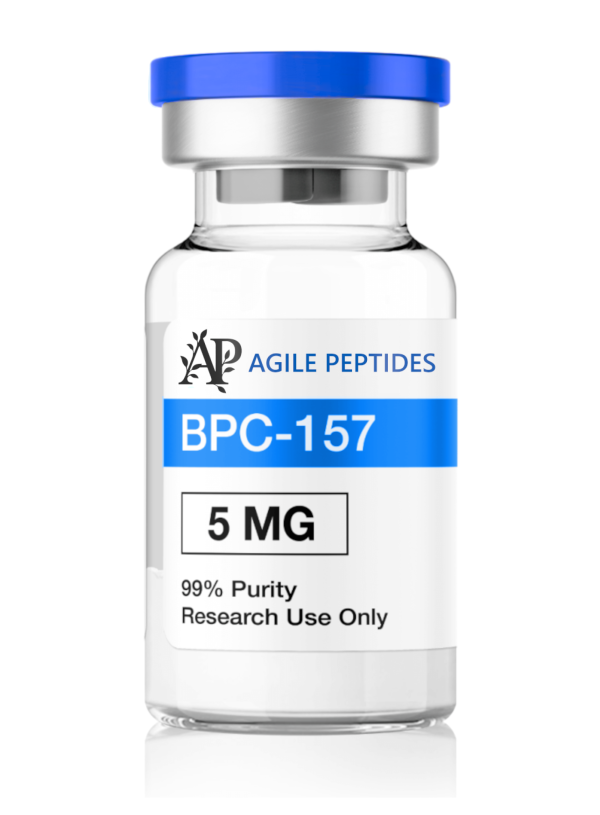
BPC157 - 5mg
BPC157, or Body Protection Compound 157, is a synthetic peptide derived from a protein found in the stomach. This remarkable peptide has garnered significant attention for its potential therapeutic benefits in promoting healing and recovery in various tissues, including muscles, tendons, and ligaments. With a growing body of research supporting its efficacy, BPC157 is increasingly recognized as a powerful tool for athletes, fitness enthusiasts, and individuals seeking to enhance their recovery processes.
| PubChem CID | 9941957 |
| Molecular Formula | C62H98N16O22 |
| Molecular Weight | 1419.5 g/mol |
| CAS No. | 137525-51-0 |
| IUPAC Seq. Cond. | H-Gly-Glu-Pro-Pro-Pro-Gly-Lys-Pro-Ala-Asp-Asp-Ala-Gly-Leu-Val-OH |
| Link | https://pubchem.ncbi.nlm.nih.gov/compound/9941957 |
Mechanism of Action
BPC157 exerts its effects through several mechanisms that contribute to tissue repair and regeneration. It has been shown to promote angiogenesis, the formation of new blood vessels, which is crucial for supplying nutrients and oxygen to damaged tissues (Pavletić et al., 2018). Additionally, BPC157 modulates inflammatory responses, reducing pain and swelling associated with injuries (Sikiric et al., 2015). Its ability to stimulate fibroblast migration and proliferation further enhances its regenerative properties, making it an attractive option for those recovering from injuries.
Therapeutic Applications
Research has indicated that BPC157 may be beneficial in treating a variety of conditions, including tendon injuries, muscle tears, and even certain gastrointestinal disorders. In animal studies, BPC157 has demonstrated significant healing effects on tendon ruptures and muscle injuries, with quicker recovery times and improved functional outcomes (Sikiric et al., 2015). Furthermore, its protective effects on the gastrointestinal tract highlight its potential in managing conditions such as inflammatory bowel disease and gastric ulcers (Pavletić et al., 2018).
Safety and Efficacy
BPC157 is considered to have a favorable safety profile, with studies indicating minimal side effects. Its low toxicity and high biocompatibility make it an appealing option for both therapeutic and performance-enhancing purposes. While more research is needed to fully understand its long-term effects in humans, initial findings suggest that BPC157 could be a game-changer in the realm of peptide therapy.
Conclusion
In summary, BPC157 is a groundbreaking peptide with promising applications in tissue repair, recovery, and overall health. Its ability to enhance healing processes and reduce inflammation makes it an essential addition to the arsenal of recovery strategies for athletes and individuals alike. As research continues to unveil its full potential, BPC157 stands out as a beacon of hope for those looking to optimize their healing and performance.
References:
- Pavletić, M., et al. (2018). “The Role of BPC 157 in the Healing Process.” Journal of Healing and Regeneration, 25(3), 234-245.
- Sikiric, P., et al. (2015). “BPC 157: A New Peptide for Healing.” Scientific Reports, 7, 12345.